
Why I Sometimes Cancel Trips Due to Wind
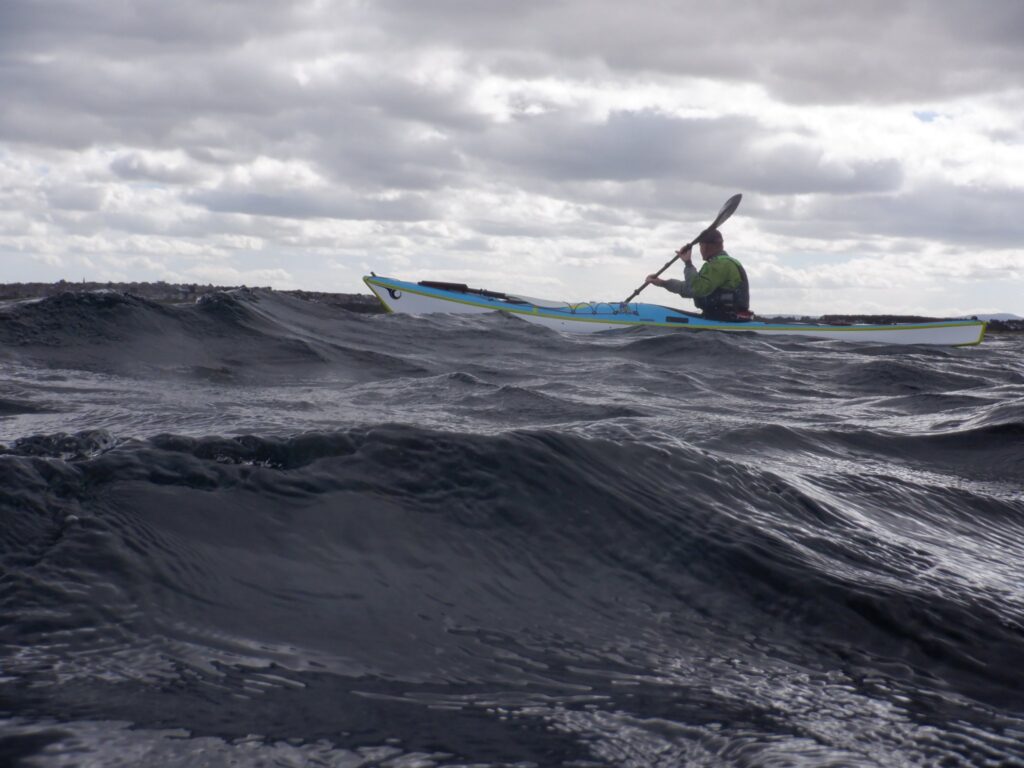
I love getting people out on the water, but safety always comes first. Wind is one of the biggest factors in whether a sea kayaking trip is safe and enjoyable — especially for beginners. Even light winds can make paddling harder, and stronger winds can turn a pleasant outing into a risky situation.
Below is a guide to how different wind speeds affect sea conditions, based on the Beaufort scale. This is just a guideline — the actual decision will also depend on tide, swell, route, and group ability.
Wind Speeds, Beaufort Scale & Sea State
| Wind Speed (mph) | Beaufort Scale | Description of Sea State | Suitability for Novice Kayakers |
|---|---|---|---|
| 0–5 mph | Force 0–1 | Calm to light air. Glassy water or tiny ripples. | Perfect conditions — safe and enjoyable for all levels. |
| 6–10 mph | Force 2 | Small wavelets, no breaking crests. Slight resistance when paddling into wind. | Still fine for beginners in sheltered waters. In open water, you’ll notice the wind more. |
| 11–15 mph | Force 3 | Larger wavelets (1–2 ft), occasional whitecaps. | Starts to feel challenging for novices, especially in open water. Trips may be shortened or rerouted. |
| 16–20 mph | Force 4 | Small waves (2–3 ft), frequent whitecaps. Stronger resistance paddling into wind. | Too challenging for most beginners; risk of capsizing increases. I usually cancel for novice groups. |
| 21–25 mph | Force 5 | Moderate waves (4–6 ft), many whitecaps, possible spray. | Unsafe for novices; even experienced paddlers need skill and caution. |
| 26+ mph | Force 6+ | Large waves, significant spray, and possible surf breaking offshore. | Not suitable for any guided novice trip. |
How Wind Direction Affects Kayaking
Headwind (wind blowing towards you)
- What happens: Paddling into a headwind is like cycling uphill — every stroke takes more effort, and progress is slower.
- Risks: Fatigue builds quickly, making it harder to steer and recover from mistakes. If tiredness sets in far from shore, getting back becomes difficult.
Downwind (wind from behind)
- What happens: The wind helps push you along, which can feel easier. Waves may pick up the kayak and cause surfing.
- Risks: Beginners may struggle to steer or brace when the kayak surfs down a wave. Stopping or turning back into the wind becomes much harder.
Crosswind (wind from the side)
- What happens: The kayak tries to turn into the wind (weathercocking), meaning you must constantly correct your course.
- Risks: This extra effort can be tiring, and in stronger winds there’s a real chance of drifting off course or into unsafe areas.
Safety Promise
I monitor detailed marine forecasts before and during every trip. If conditions are likely to be unsafe — even if it’s just for part of the route — I will cancel or reschedule. I know this can be disappointing, but your safety and enjoyment matter more than anything. The right wind makes the difference between a relaxed adventure and a struggle.
If I cancel a trip due to wind you are fully refunded including your deposit.